“手搓”短剧《ENEMY》全网播放量逾20亿,刺破AI短剧流量泡沫
- 2026-10-02 16:26:40

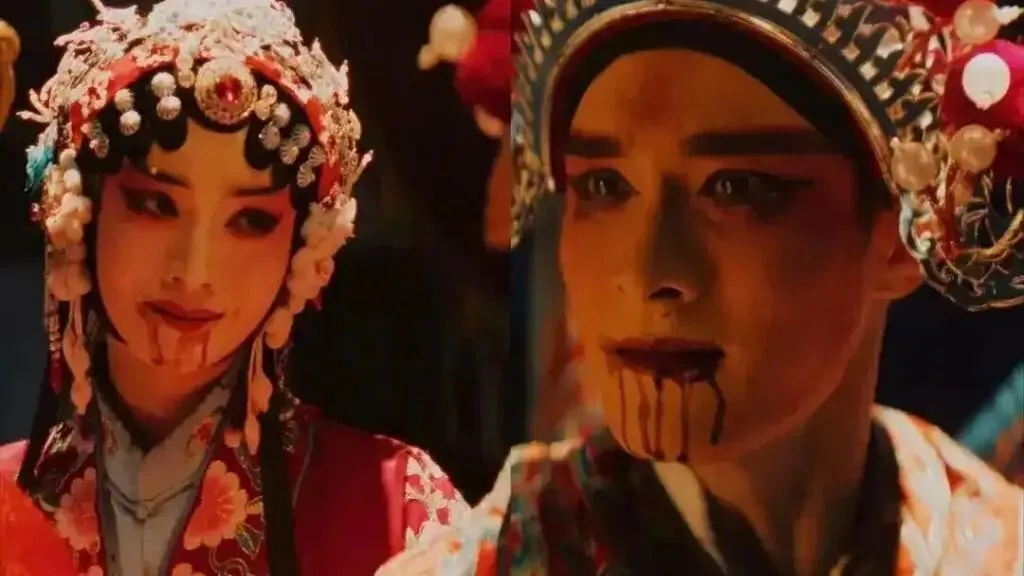
没有顶流明星,没有铺天盖地的宣发,没有使用AI,一部由两位年轻主创“手搓”完成的国产8集微短剧《ENEMY》在各大平台爆火,全网播放量逾20亿、相关话题量突破80亿、单集点赞量突破1000万,交出了一份火热的成绩单。
双语原文
This month, two AI-free productions made by amateur teams have gone viral on the Chinese internet, sparking debate as to whether AI-generated content can replace human-made stories.
本月,两部由业余团队制作的、未使用人工智能的作品在中国网络上走红,引发了一场关于人工智能生成内容能否取代人类创作的故事的辩论。
The eight-episode short drama, "ENEMY," has surpassed 800 million views, with its most viral episode receiving over 11.7 million likes on Douyin, China's version of TikTok, while the film "Ji Shi Yi Dao," meaning "the auspicious hour has arrived," has received over 6.1 million likes.
八集短剧《ENEMY》的播放量已超过8亿次,其中热度最高的一集在抖音上获得了超过1170万点赞;而电影《吉时已到》则获得了超过610万点赞。
Both are available for free on Douyin, video platform Bilibili, and lifestyle app Xiaohongshu, also known as RedNote.
两部作品均可免费在抖音、视频平台哔哩哔哩以及生活方式应用小红书上观看。
The rise of the two productions comes as China's film and short drama industry rapidly expands its use of AI-generated content.
这两部作品走红之际,中国电影和短剧行业正迅速扩大对人工智能生成内容的使用。
Approximately 128,000 short dramas were released in the first quarter of this year, with AI-generated content accounting for 95% of the total, as reported by the China Netcasting Services Association.
据中国网络视听协会报道,今年第一季度共上线约12.8万部短剧,其中人工智能生成内容占总数的95%。
Short drama production companies across the country have been cutting staff or shifting toward AI-generated content.
全国各地的短剧制作公司一直在裁员或转向人工智能生成内容。
Both productions center on Chinese opera and wuxianliu — or "infinite flow" — a genre featuring characters who must repeatedly traverse various parallel worlds to complete missions and survive deadly challenges.
两部作品都以中国戏曲和“无限流”为核心,无限流是一种类型,其特点是角色必须反复穿越各种平行世界,以完成任务并在致命挑战中生存下来。
The genre is widely considered to have originated with the 2007 Chinese web novel "Infinite Horror."
该类型普遍被认为起源于2007年的中国网络小说《无限恐怖》。
"ENEMY," created by two short-video producers known as Jianbingguozai and Xiatianmeimei on Douyin, debuted last December and runs 38 minutes total.
《ENEMY》由抖音上两位名为“煎饼果仔”和“夏天妹妹”的短视频创作者制作,于去年12月首播,总时长为38分钟。
The series went viral due to the popularity of its sixth episode, in which two Chinese opera performers pretend to stage a performance for Japanese troops during wartime to save 30 civilians, before poisoning the troops and dying in a fire themselves.
该剧走红是因为其第六集广受欢迎:剧中两位戏曲演员在战时假意为日军表演以拯救30名平民,随后毒杀了日军并牺牲于大火之中。
Similarly, the 90-minute "Ji Shi Yi Dao" was made by two prominent cosplay content producers known online as Yuanzi and Wuyang.
同样地,90分钟的《吉时已到》由两位著名的角色扮演内容创作者“媛子”和“吾央”制作。
It details the plight of several players who attempt to escape a world based on the classic Kunqu opera "The Peony Pavilion," by choosing sides among the story's characters.
该片详细讲述了几个玩家试图逃离一个以经典昆曲《牡丹亭》为基础的世界,并在故事人物之间选择阵营的困境。
According to their creators, both productions were made without AI-generated visual effects and on limited budgets, with cast members also taking on directing, screenwriting, editing, and other production work.
据创作者称,两部作品都没有使用人工智能生成的视觉效果,预算有限,演员们还同时承担了导演、编剧、剪辑和其他制作工作。
"ENEMY" director Jianbingguozai said that the team spent more than 100,000 yuan ($14,700) on travel costs alone.
《ENEMY》的导演“煎饼果仔”表示,团队仅在差旅费上就花费了超过10万元人民币(约合14,700美元)。
Meanwhile, "Ji Shi Yi Dao" cost around 300,000 yuan to produce and was funded entirely from the two creators' personal savings, according to an interview with The Beijing News.
与此同时,据《新京报》采访报道,《吉时已到》的制作成本约为30万元,完全由两位创作者的个人积蓄承担。
In the respective productions' comments sections, many viewers praised the creators' use of shou cuo — literally, "hand rubbing" — a term that has recently gained popularity on Chinese social media to describe works created without AI.
在两部作品的评论区,许多观众称赞创作者使用了“手搓”——这个词的字面意思是“用手揉搓”,最近在中国社交媒体上流行起来,用来形容非人工智能创作的作品。
"Most of the AI short dramas I've seen feel incredibly thin in substance," Li, a Shanghai-based viewer, told Sixth Tone.
“我看过的大多数人工智能短剧在内容上都感觉非常单薄,”上海观众李女士告诉《第六声》。
"The stories and the visuals all look kind of the same — like they were mass-produced."
“故事和画面看起来都差不多——像是批量生产的。”
"But 'ENEMY' and 'Ji Shi Yi Dao' moved me with their sense of real human presence," Li added.
“但是《ENEMY》和《吉时已到》以其真实的人情味打动了我,”李女士补充道。
"Because they were handcrafted, I could feel the creators' own ideas more directly. Like how the camera work sets up foreshadowing, or in the actors' expressions."
“因为它们是手搓出来的,我能更直接地感受到创作者自己的想法。比如镜头如何埋下伏笔,或者演员的表情。”
Yuanzi, one of the creators of "Ji Shi Yi Dao," told domestic media that she does not oppose AI as a tool, but is concerned about AI-related copyright issues.
《吉时已到》的创作者之一“圆子”告诉国内媒体,她不反对将人工智能作为工具,但担心与人工智能相关的版权问题。
"If other people's works are blended together and repackaged as an original work, I find that hard to accept," she said.
“如果把别人的作品混在一起,重新包装成原创作品,我觉得这很难接受,”她说。
"AI was supposed to help people achieve their vision, but now it's replacing art."
“人工智能本应帮助人们实现他们的愿景,但现在它正在取代艺术。”
"Seeing artists lose their jobs is a huge blow to creators," Wuyang, co-creator of "Ji Shi Yi Dao," added.
“看到艺术家失业,对创作者来说是巨大的打击,”《吉时已到》的联合创作者“无恙”补充道。
"Art should be a place where different forms can exist. If it's replaced this way, that's very sad in the long run. That's why we don't really want to use AI."
“艺术应该是一个不同形式可以共存的地方。如果以这种方式被取代,长远来看是非常可悲的。这就是为什么我们不太想使用人工智能。”
The China Netcasting Services Association report also revealed that during the 2026 Spring Festival season, live-action dramas amounted to only around one-fiftieth the number of AI dramas released but generated 25 times as many views.
中国网络视听协会的报告还显示,在2026年春节档期间,真人实拍短剧的数量仅为人工智能短剧数量的约五十分之一,但其播放量却达到了人工智能短剧的25倍。


·END·